Est.2016
→
∞
Sales Follow-Up Automation: Never Miss a Warm Lead Again
automation
In sales, timing often makes the difference between winning a deal and losing it. Many potential customers show interest, ask questions, or request details, but if follow-ups are delayed or inconsistent, those opportunities quickly fade away.
Sales teams usually manage multiple leads at once, which makes it difficult to track who needs a follow-up and when. As a result, warm leads often slip through the cracks.
This is where Sales Follow-Up Automation: Never Miss a Warm Lead Again becomes essential. Automation ensures that every lead is contacted at the right time, with the right message, without relying on manual reminders.
What is Sales Follow-Up Automation?
Sales follow-up automation is the process of automatically sending messages and reminders to leads based on their behavior and stage in the sales journey.
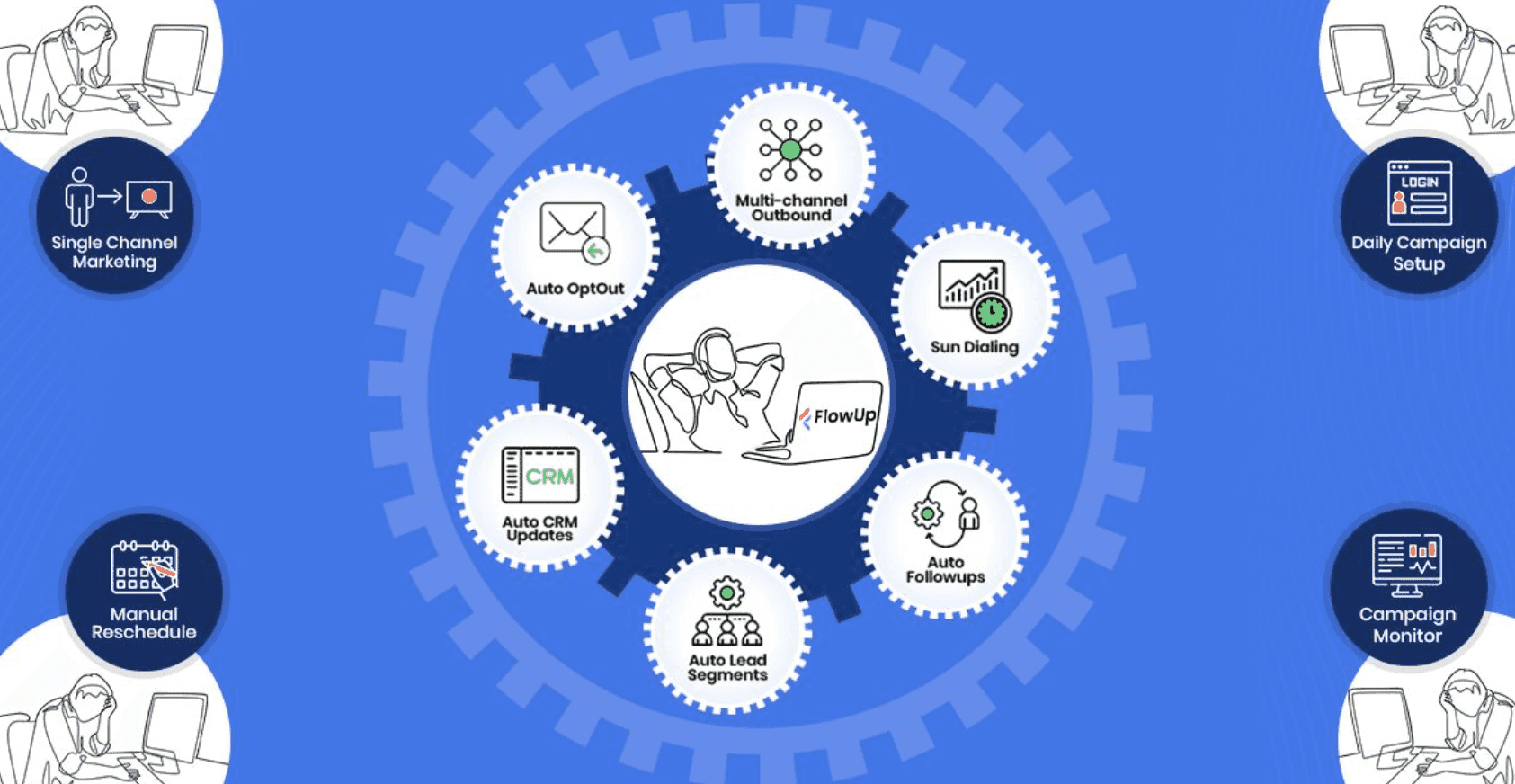
Instead of manually tracking each conversation, automation systems trigger follow-ups after specific actions such as form submissions, email opens, or meeting interactions.
These follow-ups can be delivered through email, SMS, or CRM notifications, ensuring consistent communication with every lead.
Why Follow-Ups Are Critical in Sales
Most leads do not convert after the first interaction. They often need multiple touchpoints before making a decision.
Without proper follow-ups, businesses risk losing interested prospects who might have converted with just a little more engagement.
Common follow-up challenges include:
Forgetting to respond to leads on time
Inconsistent communication across prospects
Losing track of lead status
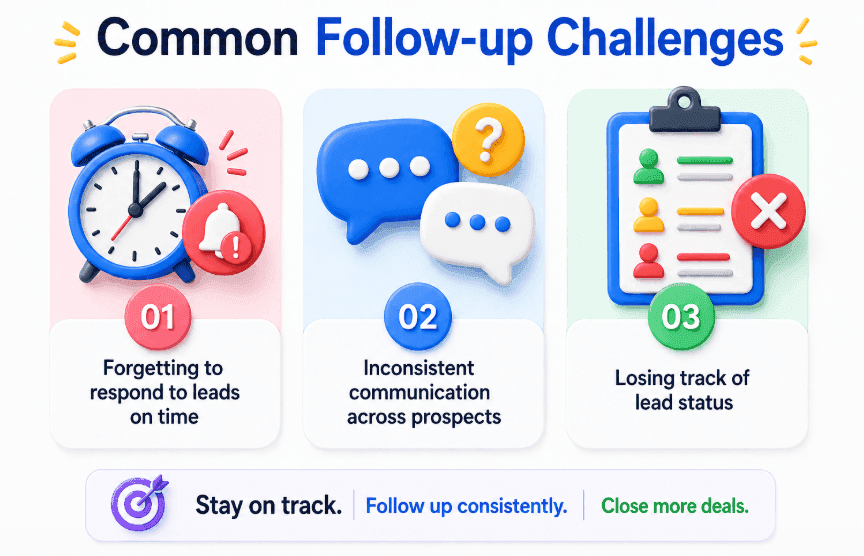
Automation helps eliminate these issues and ensures that every lead receives timely attention.
How Automation Keeps Leads Engaged
Automation systems track user activity and trigger follow-up actions based on behavior.
For example, if a lead downloads a resource or opens an email, the system can automatically send a follow-up message with additional information.
If a lead stops responding, a re-engagement message can be triggered after a certain period.
This continuous engagement keeps the brand visible and helps move leads further down the sales funnel.
Types of Automated Follow-Ups
Different types of follow-ups can be used depending on the lead’s behavior and stage.
Instant Response Messages:When a lead submits a form or inquiry, an immediate response confirms that their request has been received and sets expectations.
Reminder Follow-Ups:If a lead has not replied, gentle reminders can be sent to keep the conversation going.
Value-Based Follow-Ups:Sharing useful content, case studies, or product insights helps build trust and keeps the lead interested.
Re-Engagement Messages:For inactive leads, follow-ups can encourage them to reconnect and continue the conversation.
Benefits of Sales Follow-Up Automation
Automating follow-ups provides several key benefits.
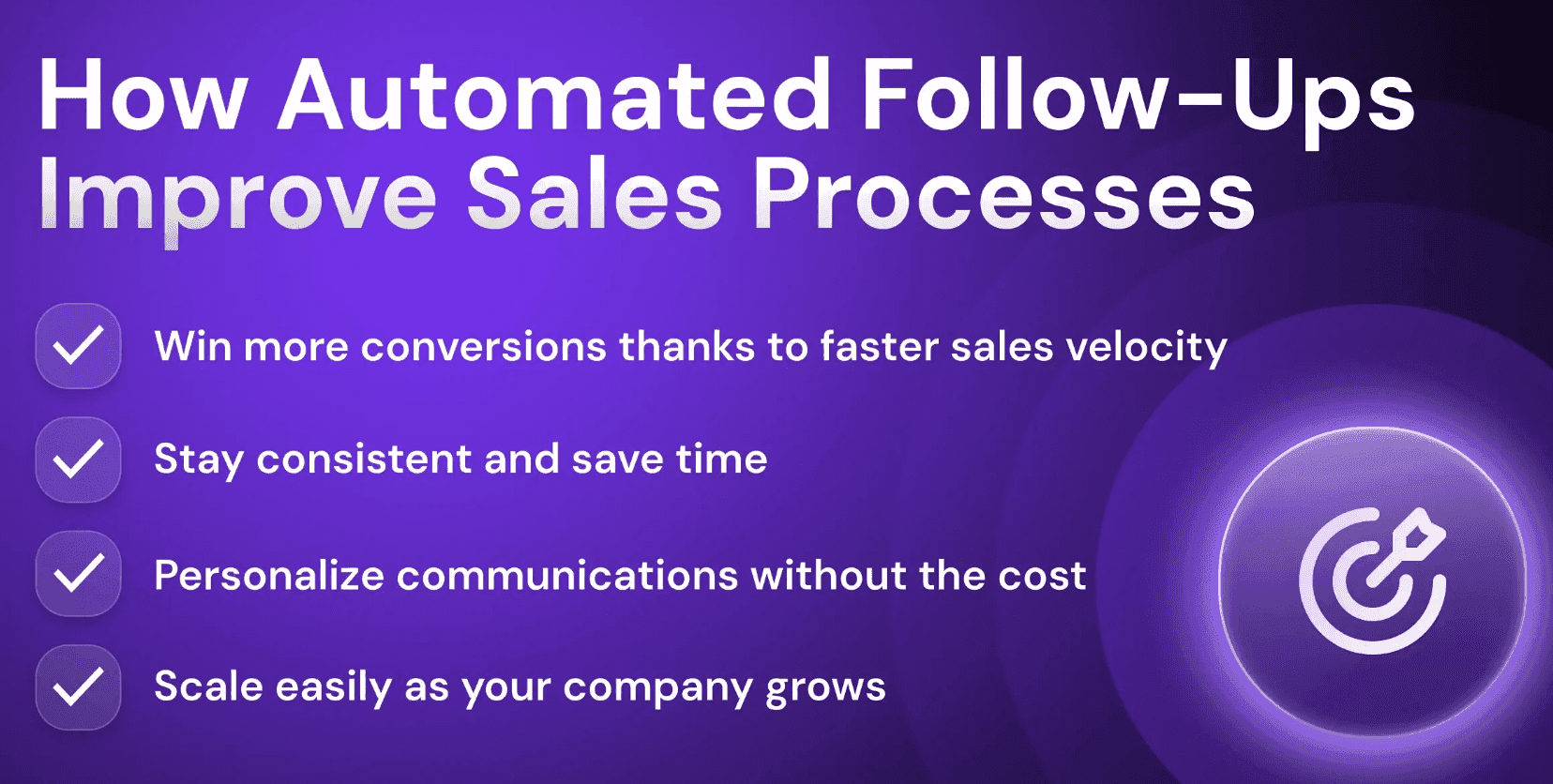
First, it ensures that no lead is missed. Every inquiry is tracked and followed up on automatically.
Second, it improves response time, which is critical for converting warm leads.
Another advantage is consistency. All leads receive a structured communication flow instead of random interactions.
Finally, automation saves time, allowing sales teams to focus on closing deals rather than managing reminders.
Steps to Implement Follow-Up Automation
Businesses can implement follow-up automation by following a clear strategy.
Start by mapping the customer journey and identifying key points where follow-ups are needed.
Next, create message templates for different stages of the funnel.
Set up triggers based on user actions such as form submissions or email interactions.
Finally, monitor performance metrics like response rates and conversions to refine the system.
The Future of Sales Automation
Sales automation tools are becoming more intelligent with better data tracking and personalization capabilities.
Future systems may analyze lead behavior more deeply and suggest the best timing and message for each follow-up.
This will help businesses create more personalized and effective sales experiences.
Conclusion
Consistent follow-up is one of the most important factors in successful sales. Missing even a single warm lead can result in lost revenue.
By implementing Sales Follow-Up Automation: Never Miss a Warm Lead Again, businesses can ensure timely communication, improve engagement, and increase conversions.
Automation helps sales teams stay organized and responsive while focusing on what matters most: building relationships and closing deals.