Est.2016
→
∞
Returns & Refunds Automation Playbook: Faster Resolutions, Fewer Escalations
automation

Returns and refunds are a normal part of running an online business. Customers may return products because of size issues, damaged items, incorrect orders, or simply because the product did not meet their expectations. While returns are unavoidable, managing them inefficiently can create delays, frustrated customers, and increased support workload.
This is why many businesses are adopting a Returns & Refunds Automation Playbook to improve how return requests are handled. Automation allows companies to process return requests faster, keep customers informed, and reduce the number of issues that escalate to customer support teams.
When returns and refunds are handled smoothly, customers feel more confident purchasing from the brand again. Automation helps businesses maintain that trust while reducing operational pressure.
What is Returns & Refunds Automation?
Returns and refunds automation refers to the use of automated systems that manage the entire return process. Instead of relying on manual reviews for every request, automation tools guide customers through a structured process and trigger actions automatically.
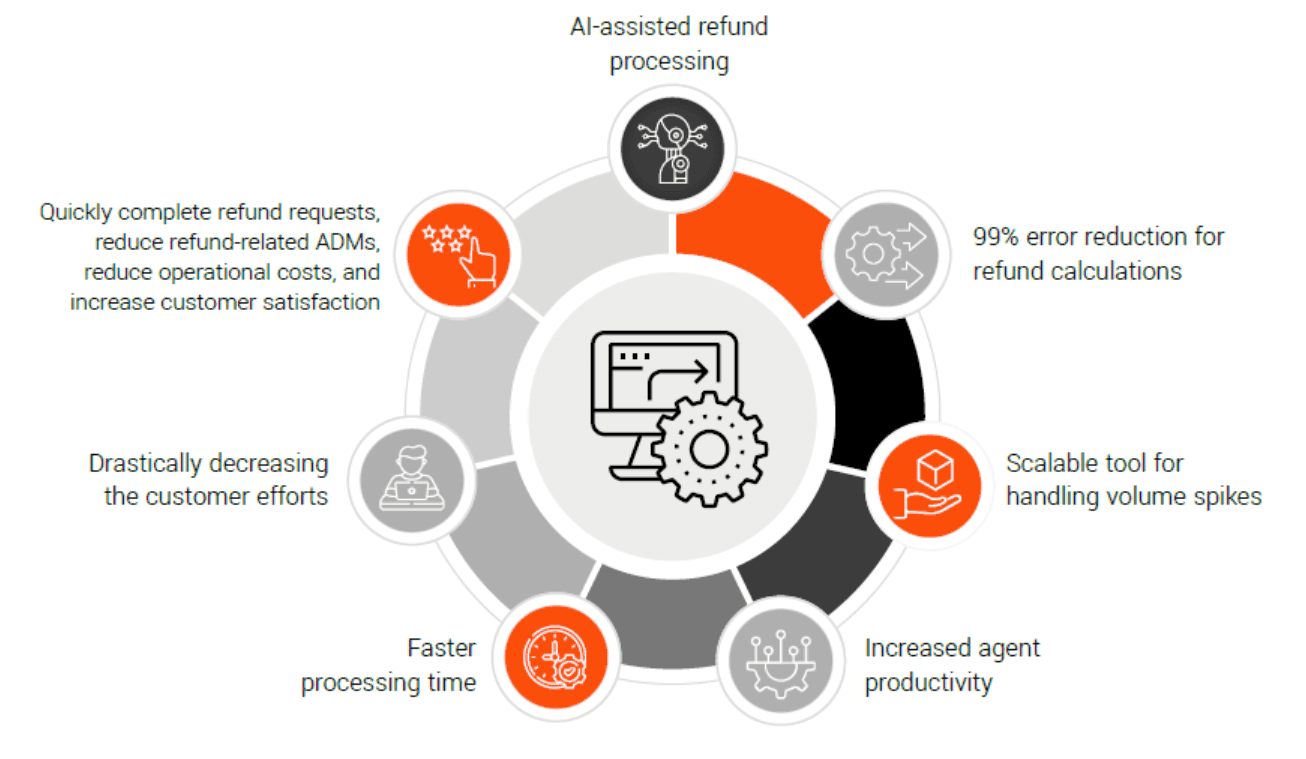
For example, automated systems can verify order details, check eligibility for returns, generate return labels, and initiate refunds once the returned item is received.
This reduces the time required to process each return and ensures customers receive updates without needing to contact support.
Why Manual Return Handling Creates Problems
Many businesses still rely on manual processes to handle return and refund requests. As order volumes increase, this approach often becomes inefficient.
Manual return management usually leads to several common challenges:
Slow response times for return requests
Confusion about return eligibility or policies
High customer support workload
Delays in issuing refunds
When customers wait too long for updates, they often contact support repeatedly, which increases ticket volume and sometimes leads to escalations.
Automation helps remove these bottlenecks by creating a faster and more predictable return process.
Key Elements of a Returns & Refunds Automation Playbook
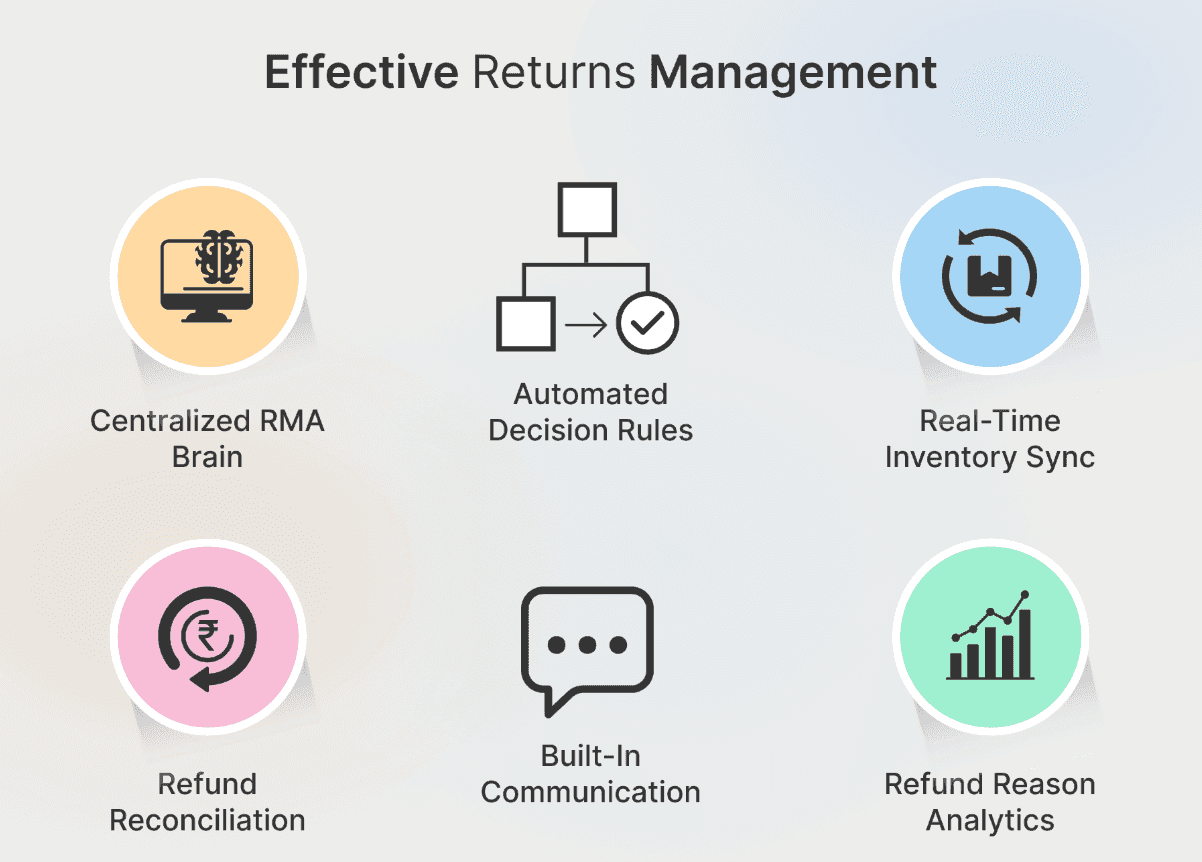
A well-designed automation strategy focuses on improving both operational efficiency and customer experience.
Self-Service Return Requests:Customers should be able to start a return directly through a return portal without contacting support. The system can automatically verify the order number and determine whether the item qualifies for a return based on the company’s policy.
Automated Return Approvals:For common scenarios such as size exchanges or standard product returns, the system can approve requests automatically and provide instructions to the customer.
Instant Return Labels:Once a return is approved, the system can generate a shipping label immediately. This allows customers to send the item back quickly without waiting for manual confirmation.
Automated Refund Processing:After the returned product is received or scanned by the carrier, the system can trigger the refund process automatically, reducing delays and improving transparency.
How Automation Reduces Customer Escalations
Escalations usually occur when customers feel that their issue is not being handled quickly or clearly. A lack of communication often leads customers to contact support multiple times.
Automation reduces these situations by providing consistent updates during every stage of the return process.
Customers can automatically receive notifications when:
Their return request is approved
The returned item is received by the warehouse
The refund has been processed
When customers know exactly what is happening with their request, they are far less likely to escalate the issue.
Benefits of Automating Returns and Refunds
Automating returns and refunds provides several advantages for both businesses and customers.

First, it significantly reduces the time required to process return requests. Automated systems can verify information and approve requests instantly.
Second, automation lowers the workload for customer support teams. When customers can handle return requests themselves, support agents can focus on more complex issues.
Another major benefit is improved customer satisfaction. Faster refunds and clear communication create a smoother post-purchase experience.
Finally, automated systems help maintain consistency. Every return request follows the same policy rules, reducing errors and confusion.
Steps to Implement a Returns & Refunds Automation Strategy
Businesses that want to improve their return process can begin with a few practical steps.
The first step is creating a clear and transparent return policy that automation systems can follow. Policies should define eligibility conditions, refund timelines, and acceptable return reasons.
Next, companies should implement a return management platform or integrate automation features into their existing order management system.
It is also important to build a self-service return portal where customers can submit requests easily. This portal should connect with shipping carriers and warehouse systems to provide real-time updates.
Finally, businesses should monitor return data regularly to identify patterns and optimize their return policies over time.
The Future of Automated Returns Management
As eCommerce continues to grow, return management systems are becoming more advanced. Automation tools are beginning to include predictive analytics and intelligent decision systems that can identify unusual return behavior or potential fraud.
In the future, automated return systems may also offer personalized return options, faster refund methods, and better integration with logistics networks.
Businesses that invest in these technologies early will be able to handle higher order volumes while maintaining a smooth customer experience.
Conclusion
Managing returns and refunds efficiently is essential for maintaining customer trust and operational efficiency. Slow processes and unclear communication can easily lead to frustration and support escalations.
By following a Returns & Refunds Automation Playbook: Faster Resolutions, Fewer Escalations, businesses can streamline their return processes, reduce manual workload, and improve customer satisfaction.
Automation ensures that return requests are handled quickly, refunds are processed faster, and customers remain informed throughout the entire process.