Est.2016
→
∞
Order Ops Automation: Shipping Delays, Exceptions, and Auto-Notifications
automation

Modern eCommerce and logistics businesses operate in a fast-paced environment where customers expect quick deliveries and constant updates about their orders. Even a small shipping delay can create frustration and damage a brand’s reputation.
This is where Order Ops Automation: Shipping Delays, Exceptions, and Auto-Notifications plays a crucial role. Instead of relying on manual monitoring, automation systems track orders, identify potential issues, and send updates automatically to both operations teams and customers.
By using automation in order operations, businesses can reduce human errors, improve efficiency, and provide a much better delivery experience.
What is Order Ops Automation?
Order Ops Automation refers to the use of technology and automated workflows to manage the entire order process. This includes everything from order confirmation and warehouse processing to shipping, tracking, and delivery updates.
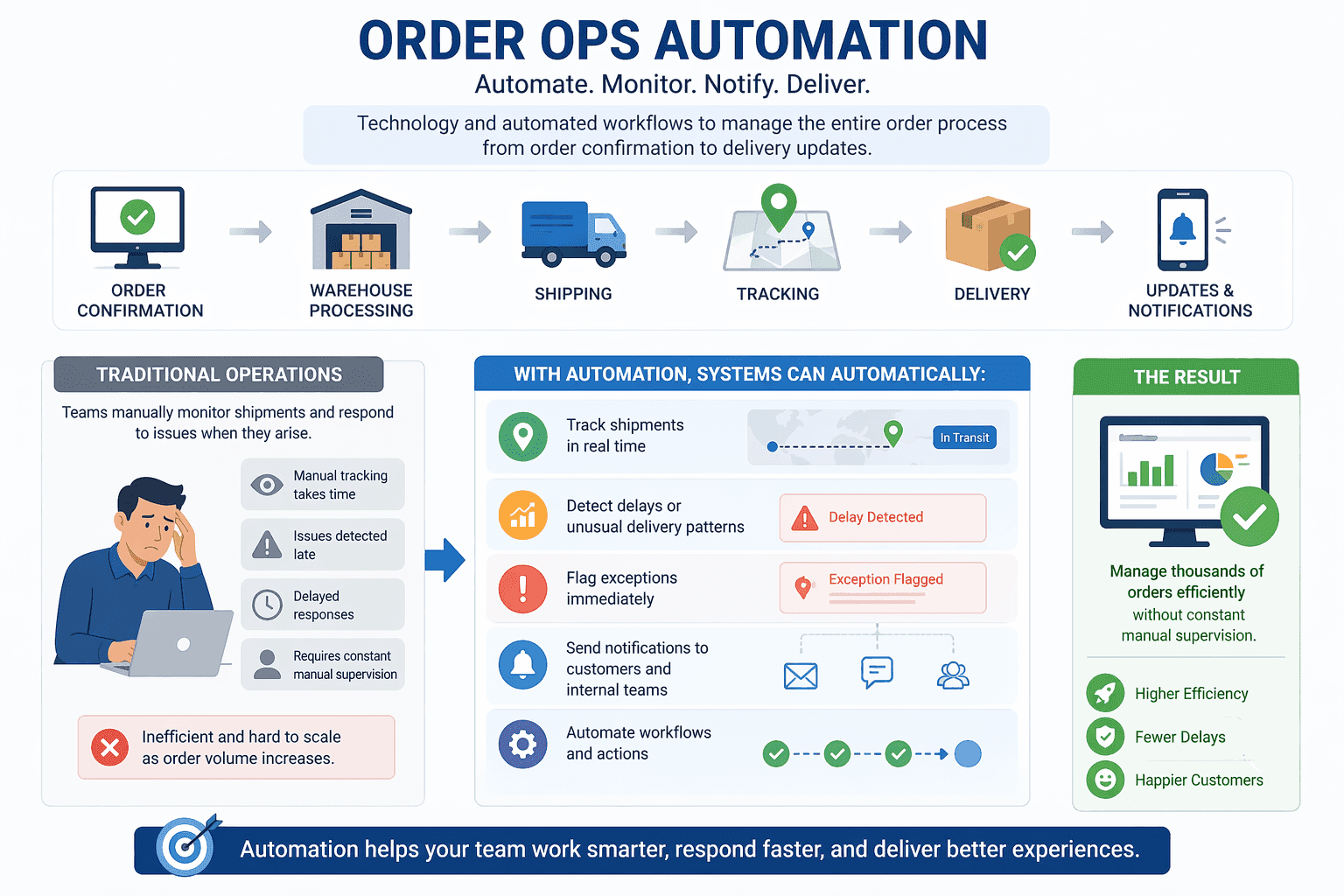
In traditional operations, teams manually monitor shipments and respond to issues when they arise. However, this approach becomes inefficient as order volume increases.
With automation, systems can automatically:
Track shipments in real time
Detect delays or unusual delivery patterns
Flag exceptions immediately
Send notifications to customers and internal teams
This allows businesses to manage thousands of orders efficiently without constant manual supervision.
Why Shipping Delays Need Automated Monitoring
Shipping delays are one of the biggest operational challenges for online businesses. They can happen due to various reasons such as bad weather, carrier issues, warehouse bottlenecks, or customs clearance problems.
Without automated monitoring, delays often go unnoticed until customers complain.
Order Ops Automation solves this issue by continuously analyzing shipment data. If a package stays at a facility longer than expected or misses a delivery milestone, the system can automatically flag it as a delay.
This early detection allows operations teams to act quickly and prevent small issues from turning into major problems.
Understanding Shipping Exceptions in Order Operations
Shipping exceptions occur when something unexpected disrupts the normal delivery process. These situations require quick action to avoid delivery failures.
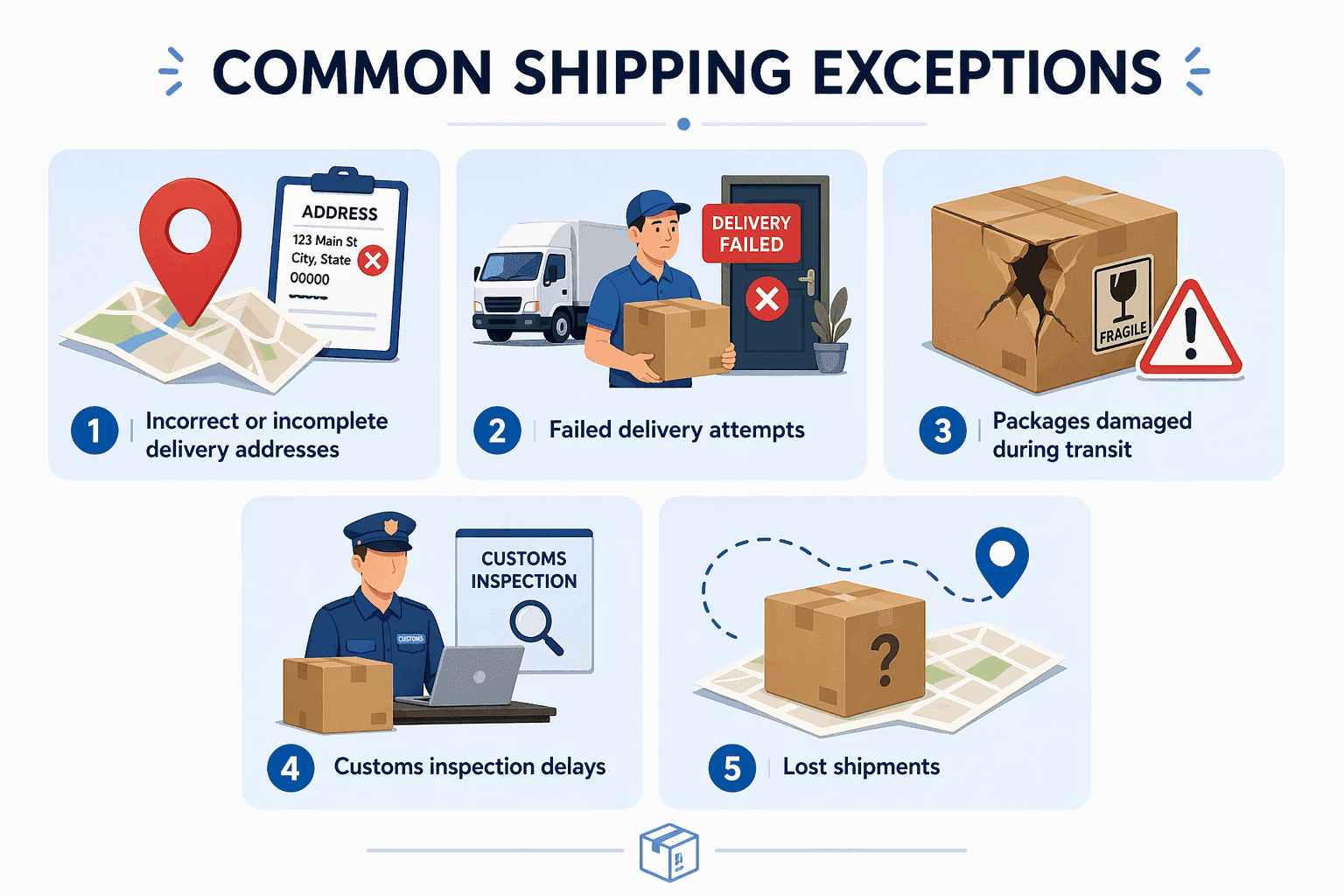
Common shipping exceptions include:
Incorrect or incomplete delivery addresses
Failed delivery attempts
Packages damaged during transit
Customs inspection delays
Lost shipments
When businesses rely only on manual tracking, these issues are often discovered too late.
Automation helps identify these exceptions immediately. The system can trigger predefined workflows such as alerting support teams, requesting address corrections, or contacting the shipping carrier.
This ensures that delivery problems are handled quickly and efficiently.
How Auto-Notifications Improve Customer Communication
One of the most valuable features of Order Ops Automation is automatic notifications.
Customers want transparency and real-time updates about their orders. Instead of checking tracking pages repeatedly, they prefer receiving notifications automatically.
Auto-notifications keep customers informed about important updates, such as:
Order confirmation
Shipment dispatched
Delivery delay alerts
Out-for-delivery updates
Successful delivery confirmation
These notifications can be delivered through multiple channels, including email, SMS, or mobile app alerts.
When customers receive timely updates, they feel more confident about their purchase and are less likely to contact support for order status inquiries.
Key Benefits of Order Ops Automation
Improved Operational Efficiency:Automation eliminates repetitive manual work such as checking shipment status and sending updates. Operations teams can focus on more strategic tasks.
Faster Issue Resolution:Since delays and exceptions are detected instantly, businesses can respond quickly and prevent delivery disruptions.
Better Customer Experience:Real-time updates and proactive communication improve customer satisfaction and strengthen brand trust.
Reduced Customer Support Load:When customers receive automatic updates, they don’t need to contact support teams for tracking information.
Scalable Logistics Operations:Automation allows businesses to handle large order volumes without increasing operational complexity.
Steps to Implement Order Ops Automation
Businesses that want to improve their logistics operations can start implementing automation through a few practical steps.
Use an Order Management System: An Order Management System (OMS) helps centralize all order-related data and provides automation capabilities.
Integrate Carrier Tracking APIs: Connecting shipping carriers through APIs allows the system to receive real-time shipment updates.
Configure Automated Workflows: Businesses can define rules for handling delays and exceptions automatically.
Enable Multi-Channel Notifications: Setting up automated email, SMS, or app notifications ensures customers stay informed throughout the delivery process.
Monitor and Optimize Processes: Regular performance monitoring helps businesses refine automation workflows and improve delivery efficiency.
The Future of Automated Order Operations
The logistics industry is rapidly evolving, and automation will become even more important in the coming years.
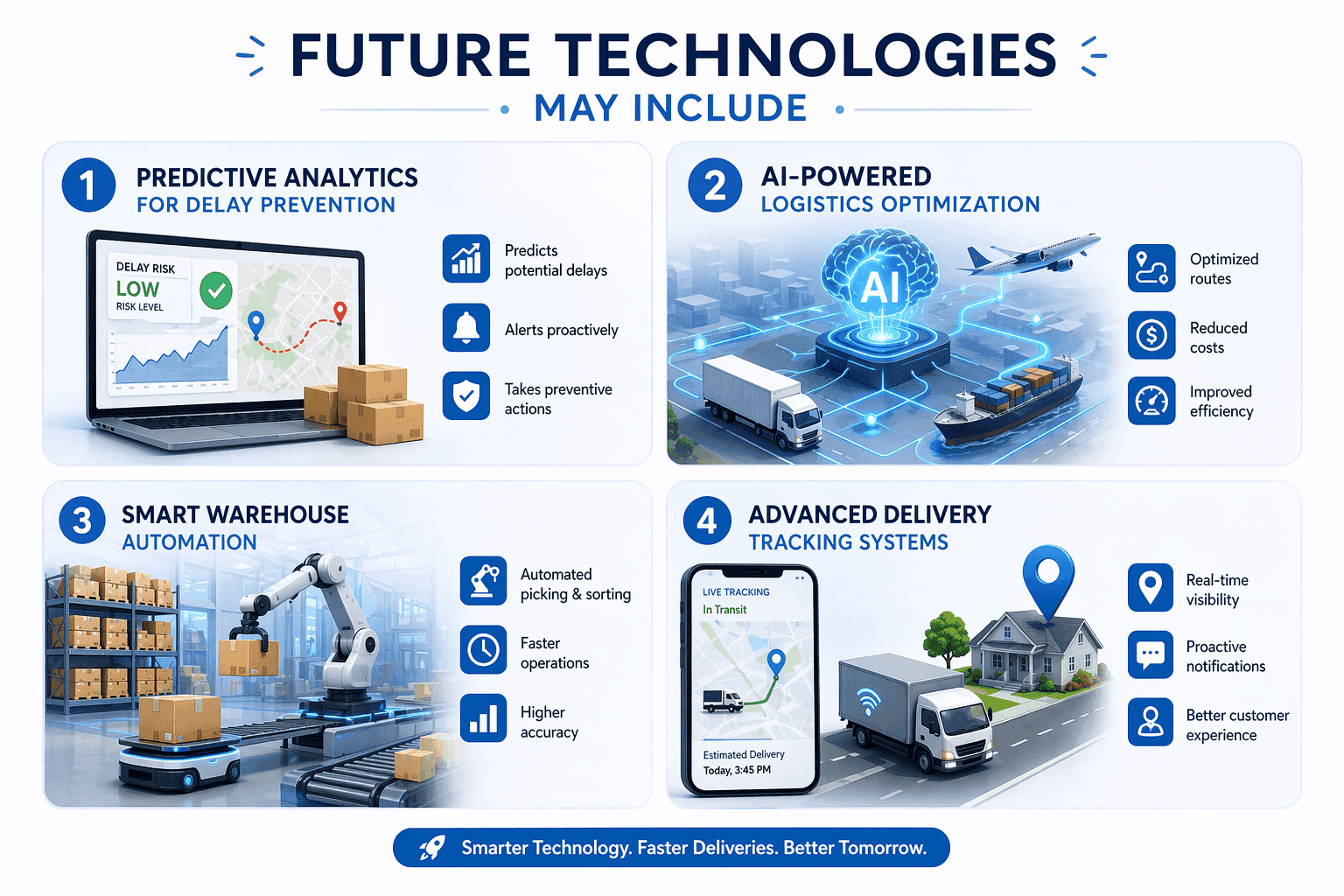
Future technologies may include:
Predictive analytics for delay prevention
AI-powered logistics optimization
Smart warehouse automation
Advanced delivery tracking systems
Businesses that adopt automation early will be better prepared to handle increasing order volumes and rising customer expectations.
Conclusion
Efficient order operations are essential for delivering a reliable customer experience. Shipping delays and delivery exceptions can create significant challenges, but automation provides an effective solution.
By implementing Order Ops Automation: Shipping Delays, Exceptions, and Auto-Notifications, businesses can detect issues earlier, respond faster, and keep customers informed throughout the delivery journey.
In an increasingly competitive e-commerce landscape, automation is becoming a key factor in building efficient logistics operations and maintaining customer trust.