Est.2016
→
∞
Churn Prevention Automation: Detect Risk Early and Trigger Save Plays
automation

Customer churn can quietly reduce growth, even when new customers keep coming in. Many businesses focus heavily on acquisition, but retention is what truly builds long-term revenue and stability.
The challenge is that churn rarely happens suddenly. Customers usually show early signs of disengagement before they decide to leave. These signals often go unnoticed when teams rely on manual tracking.
This is where Churn Prevention Automation: Detect Risk Early and Trigger Save Plays becomes essential. Automation helps businesses identify at-risk customers in advance and take timely action to retain them.
By acting early instead of reacting late, companies can reduce churn and strengthen customer relationships.
What is Churn Prevention Automation?
Churn prevention automation is the use of automated systems to monitor customer behavior, detect potential risks, and trigger retention actions.
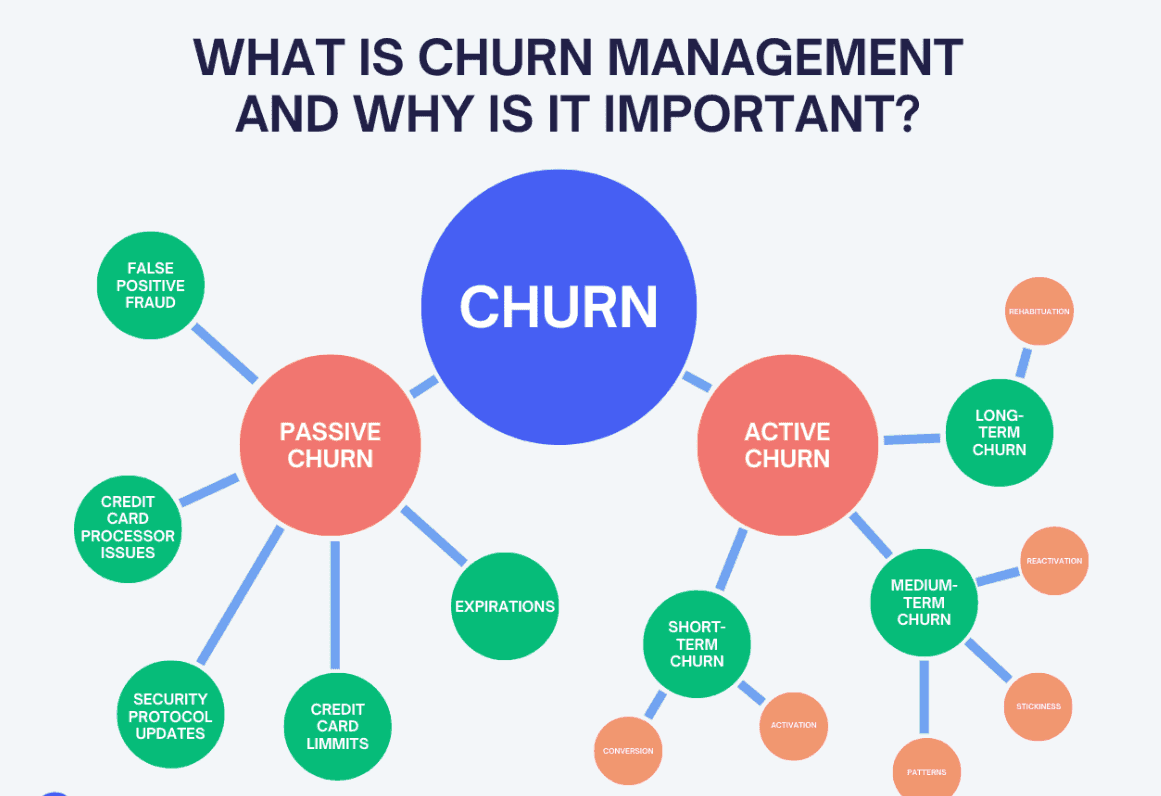
Instead of waiting for customers to cancel, the system continuously tracks engagement patterns and flags accounts that show signs of declining interest.
Once a risk is detected, predefined actions are triggered automatically. These actions may include targeted messages, support outreach, or special offers designed to re-engage the customer.
This proactive approach helps businesses address problems before they lead to churn.
Why Early Detection Matters
One of the biggest mistakes businesses make is addressing churn too late. By the time a customer decides to leave, it is often difficult to recover the relationship.
Early detection allows teams to:
Identify disengaged users before they cancel
Understand the reasons behind declining usage
Take action while there is still an opportunity to recover
The earlier the risk is identified, the higher the chances of retaining the customer.
Key Churn Signals to Monitor
Automation systems rely on specific signals to identify potential churn risks. These signals are based on user behavior and interaction patterns.
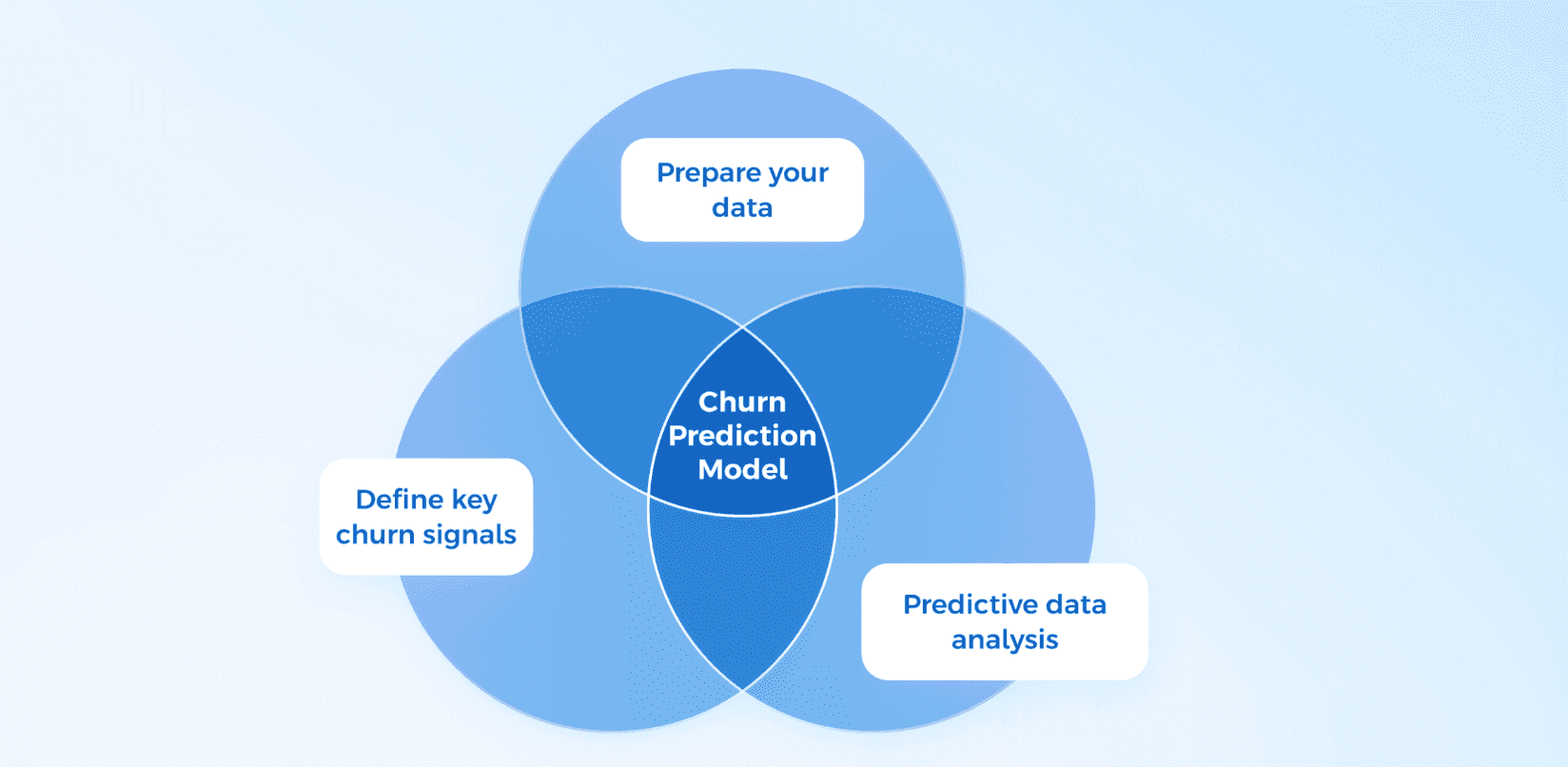
Common indicators include:
Reduced product usage over time
Decline in login frequency
Lack of engagement with key features
These signals do not always mean a customer will churn, but they provide early warning signs that require attention.
What Are Save Plays?
Save plays are predefined actions triggered when a customer is identified as being at risk of churning.
These actions are designed to re-engage the user and address potential concerns before they leave.
Examples of effective save plays include:
Personalized messages highlighting product value
Guidance on underused features
Special offers or incentives
Save plays should be tailored to the customer’s behavior to ensure they are relevant and effective.
Automating Save Plays for Better Results
Automation ensures that save plays are triggered at the right time without manual effort.
When a churn signal is detected, the system can automatically initiate a sequence of actions based on predefined rules.
For example, if a user becomes inactive, the system can send a re-engagement message followed by helpful resources or support outreach.
This structured approach ensures consistent and timely intervention for every at-risk customer.
Benefits of Churn Prevention Automation
Implementing churn prevention automation offers several advantages.
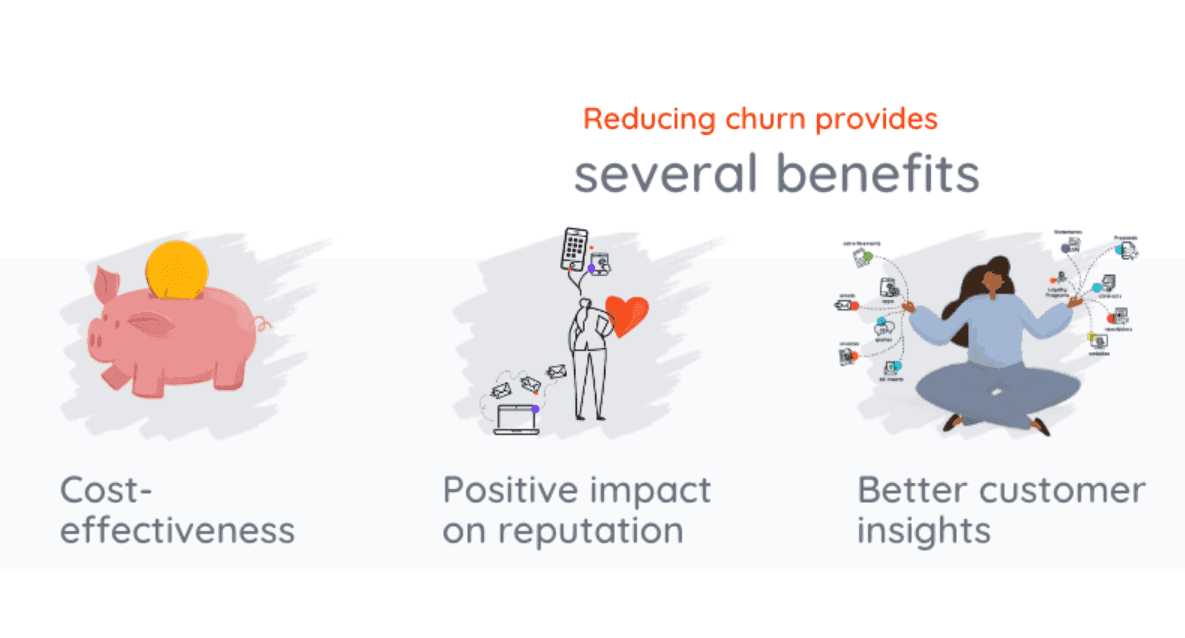
First, it helps reduce customer loss by identifying risks early and taking action quickly.
Second, it improves efficiency by eliminating manual monitoring and follow-ups.
Another benefit is personalization. Actions are based on user behavior, making them more relevant and impactful.
Finally, it supports scalability, allowing businesses to manage retention efforts across a large customer base.
Steps to Implement Churn Prevention Automation
To build an effective churn prevention system, businesses should follow a clear process.
Start by identifying key engagement metrics that indicate customer health.
Next, define risk triggers based on behavior patterns such as inactivity or reduced usage.
Then, create save plays that respond to these triggers with targeted actions.
Finally, monitor performance and continuously refine the system to improve retention outcomes.
The Future of Churn Prevention
Churn prevention systems are becoming more advanced with better data insights and predictive capabilities.
Future tools may predict churn with greater accuracy and recommend personalized retention strategies for each customer.
This will allow businesses to move from reactive support to proactive customer success.
Conclusion
Churn is one of the biggest challenges for any business, but it can be managed effectively with the right approach.
By implementing Churn Prevention Automation: Detect Risk Early and Trigger Save Plays, companies can identify risks in advance, engage customers at the right time, and improve retention.
Automation ensures that no warning sign is missed and every customer receives the attention they need.