Est.2016
→
∞
B2B Sales Pipeline Automation: From First Touch to Closed Deal
automation

B2B sales have never been simple. Deals take time, involve multiple decision-makers, and require consistent follow-up. But the real challenge today is not complexity, it is inconsistency.
Many businesses struggle to maintain a steady pipeline. Some months are full of opportunities, while others feel completely dry. Leads slip through the cracks, follow-ups are missed, and valuable deals are lost simply because there is no structured system in place.
This is where B2B sales pipeline automation creates a real advantage. Instead of relying on manual effort and scattered tools, businesses can build a connected system that manages every stage of the sales journey, from the first interaction to the final deal.
In this article, we will break down how pipeline automation works and how it helps you move prospects smoothly from initial contact to conversion.
Why Most Sales Pipelines Break Down
At first glance, many sales processes look fine. Leads are coming in, the team is reaching out, and deals are being closed. But when you look closely, the gaps become obvious.
Information is often spread across different tools. Some leads are tracked in spreadsheets, others in CRM systems, and many are not tracked at all. Follow-ups depend on individual discipline rather than a defined process.
This lack of structure leads to missed opportunities. A prospect shows interest but does not receive a timely response. Another one needs a follow-up but is forgotten. Over time, these small gaps add up and impact revenue.
The issue is not effort. It is the absence of a reliable system.
What Pipeline Automation Actually Does
Pipeline automation connects all stages of your sales process into a single, organized workflow.
From the moment a lead enters your system, whether through a website form, ad campaign, or outreach effort, it is automatically captured and assigned. The system tracks its progress, triggers actions based on behavior, and ensures that no step is missed.
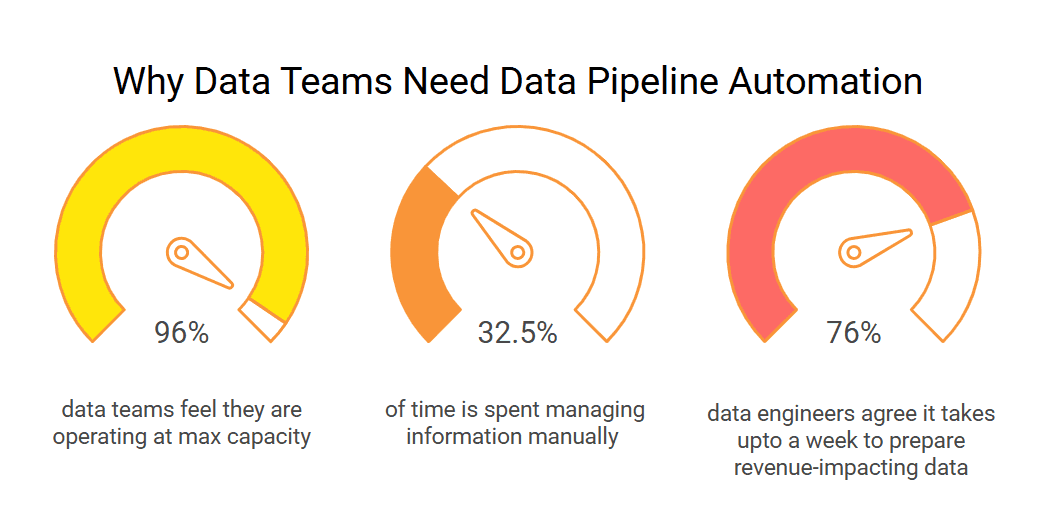
Instead of manually updating statuses or remembering follow-ups, your team works within a structured environment where everything is guided.
This does not replace your sales team. It supports them by removing repetitive tasks and giving them more time to focus on closing deals.
From First Touch to Qualification
The first interaction with a lead is critical. A delayed or generic response can reduce interest immediately.
With automation in place, every new lead receives instant engagement. This could be in the form of an email, a message, or even a booking option for a call. The key is speed and relevance.
At the same time, the system can include a qualification layer. Not every lead is ready to buy, and not every lead is the right fit. By asking a few targeted questions or analyzing behavior, automation helps you identify which prospects should move forward.
This ensures that your team spends time on opportunities that actually matter.
Nurturing Leads Without Losing Momentum
Not every prospect will convert immediately. In B2B sales, it is common for leads to take weeks or even months before making a decision.
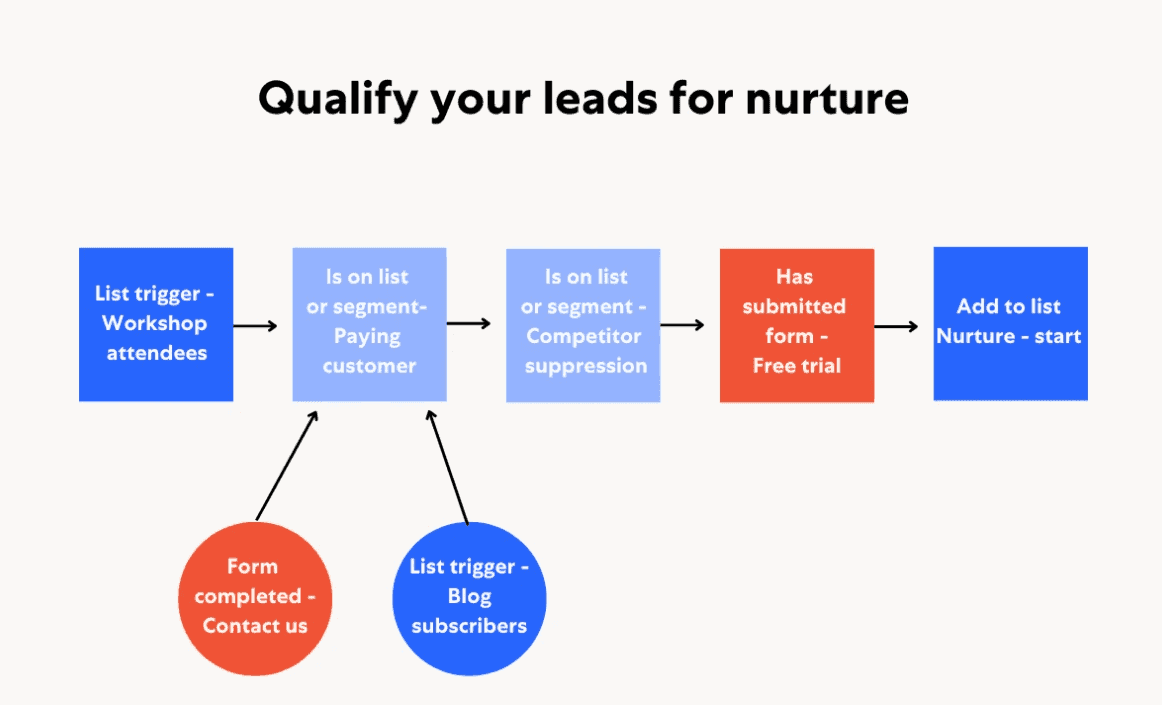
This is where nurturing becomes important.
Automation allows you to stay in touch with prospects without manual effort. You can create sequences that share relevant information, follow up at the right time, and keep your brand top of mind.
The goal is not to push for a sale at every step, but to build trust and maintain engagement. When the prospect is ready, you are already in the conversation.
Managing the Pipeline With Clarity
As leads move through the pipeline, visibility becomes essential.
Automation ensures that every stage is clearly defined and tracked. You can see where each prospect stands, what actions have been taken, and what needs to happen next.
This clarity helps in multiple ways. It improves team coordination, makes forecasting more accurate, and allows you to identify bottlenecks in your process.
Instead of guessing what is happening, you have a clear view of your entire pipeline.
Closing Deals More Efficiently
The final stage of the pipeline is where all efforts come together.
Automation can support this phase by handling tasks such as sending proposals, scheduling meetings, and triggering reminders. It ensures that communication remains consistent and timely.
When everything is organized, the sales process feels smoother for both your team and the prospect. There are fewer delays, fewer misunderstandings, and a higher chance of closing the deal.
Common Mistakes to Avoid
While automation offers significant benefits, it needs to be implemented thoughtfully.
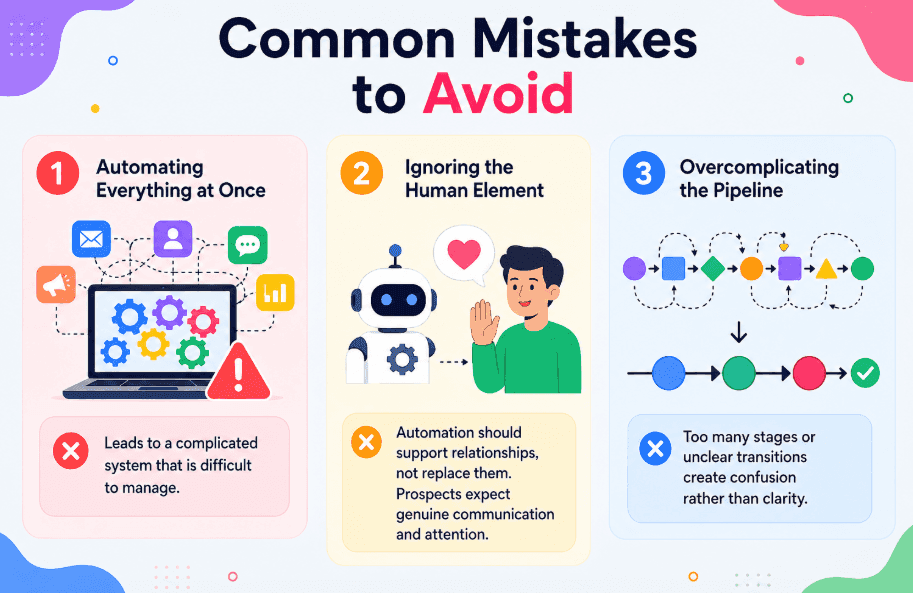
One common mistake is trying to automate everything at once. This can lead to a complicated system that is difficult to manage.
Another issue is ignoring the human element. Automation should support relationships, not replace them. Prospects still expect genuine communication and attention.
It is also important to keep your pipeline simple and well-defined. Too many stages or unclear transitions can create confusion rather than clarity.
The Impact on Business Growth
A well-automated sales pipeline brings consistency to your business.
Leads are handled efficiently, follow-ups are never missed, and opportunities are tracked from start to finish. This creates a predictable flow of deals, which is essential for scaling.
It also improves team performance. Sales representatives spend less time on administrative tasks and more time on meaningful conversations.
Over time, this leads to better results without increasing workload.
Final Thoughts
B2B sales are not just about finding leads. It is about managing them effectively throughout the entire journey.
Pipeline automation provides the structure needed to do this at scale. It connects every stage, removes inefficiencies, and ensures that no opportunity is overlooked.
By building a system that supports your sales process, you move from reactive selling to a more controlled and predictable approach.
And in a competitive market, that consistency can make all the difference between missed opportunities and steady growth.